LIFE INSURANCE
Protect Your Family. Plan for Their Future.
Life insurance can help provide financial protection for your loved ones if life takes an unexpected turn. Explore suitable options based on your family’s needs, financial responsibilities, and long-term goals.
Whether you want to secure your family’s future, plan for your children’s education, manage outstanding liabilities, or prepare for retirement, the right life insurance plan can support your financial planning journey. Understand the available policy options, compare their features, and choose coverage that aligns with your needs and budget.

Types of Life Insurance
Term Life Insurance
Provides life cover for a specified period, subject to policy terms and conditions.
Endowment Plans
Combine life insurance with a savings component according to the policy's terms.
Money-Back Plans
Offer periodic survival benefits during the policy term, subject to the policy conditions.
Child-Oriented Insurance Plans
Designed to help families plan for children's future financial needs.
Pension and Annuity Plans
Certain insurance products can help individuals plan for retirement income.
Unit-Linked Insurance Plans
Combines life insurance with market-linked investments.
Health Insurance
Protect Your Health, Secure Your Savings.
Health insurance helps cover eligible medical expenses and protects your savings from unexpected healthcare costs. Choose coverage based on your health needs, family requirements, and budget.
Whether you need individual or family coverage, the right policy can help manage medical expenses and provide greater financial confidence. Compare policy benefits, coverage, exclusions, and waiting periods to make an informed decision.

Types of Health Insurance
Individual Health Insurance
Coverage designed for one individual.
Family Health Insurance
Shared coverage for eligible family members under one policy.
Senior Citizen Health Insurance
Plans designed to address the healthcare needs of older adults.
Maternity Health Insurance
Eligible maternity-related benefits, subject to policy terms and waiting periods.
Critical Illness Insurance
Financial benefits for specified critical illnesses, according to policy conditions.
Personal Accident Insurance
Coverage for specified accidental injuries and related events.
Two Wheeler Insurance
Protect Your Ride, Travel with Confidence.
Two-wheeler insurance helps protect your bike or scooter against covered accidents, damage, theft, and third-party liabilities. Choose a policy based on your vehicle, riding habits, and coverage needs.
Whether you ride a motorcycle or scooter, the right insurance policy can help manage unexpected repair costs and financial liabilities. Compare available plans, understand their benefits and exclusions, and choose coverage that suits your needs and budget.

Types of Two Wheeler Insurance
Third-Party Insurance
Covers specified third-party liabilities arising from an accident involving your vehicle.
Standalone Own-Damage Insurance
Covers specified damage to your own vehicle, subject to policy conditions.
Comprehensive Two Wheeler Insurance
Combines own-damage and third-party liability coverage under the policy terms.
Why Is Two Wheeler Insurance Important?
Accident Protection
Helps cover eligible repair costs for accidental damage, depending on your policy.
Protection Against Theft
A comprehensive or standalone own-damage policy may cover vehicle theft, subject to policy terms.
Financial Security
Helps reduce the financial burden of covered incidents involving your bike or scooter.
CAR INSURANCE SOLUTIONS
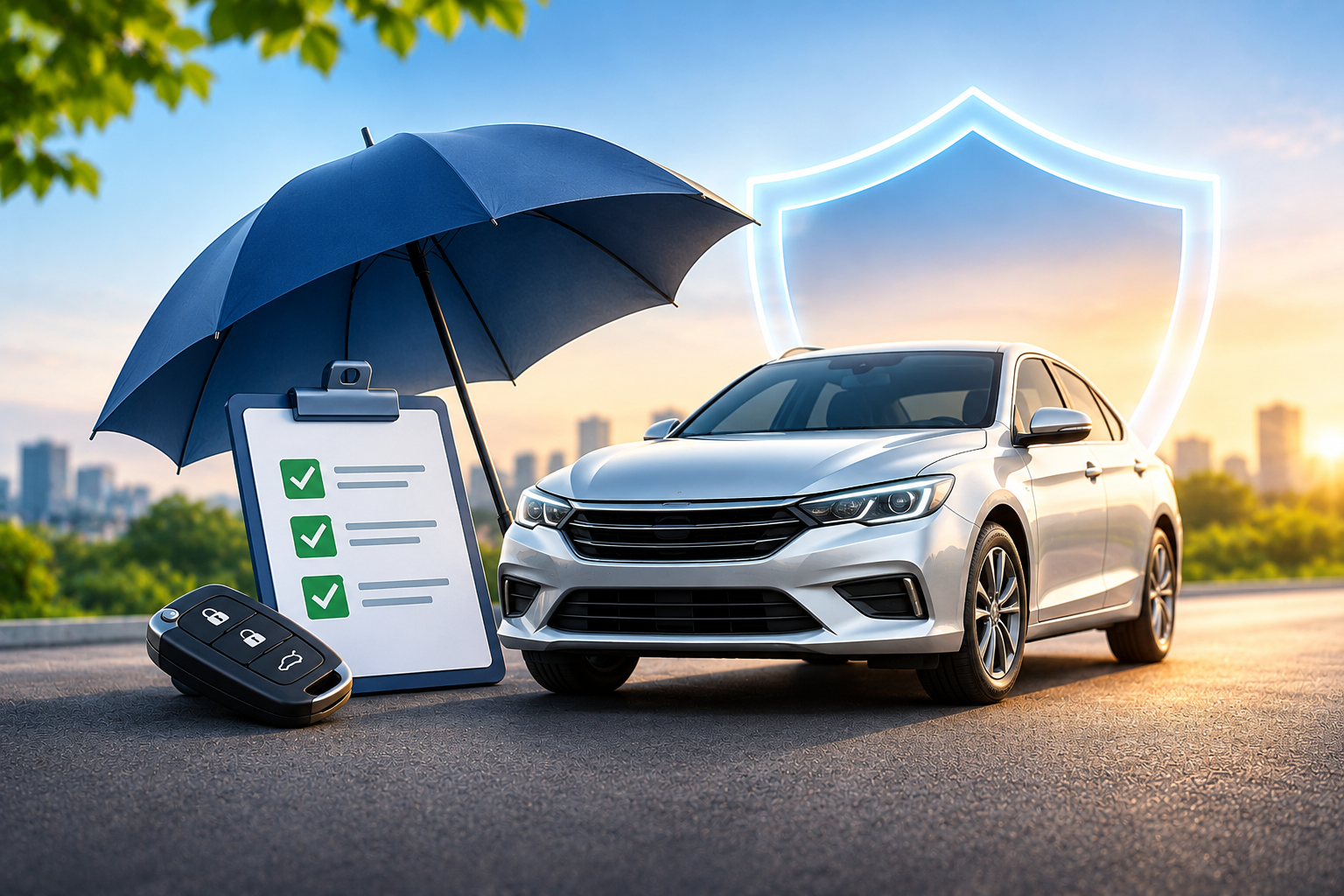
Protect Your Car, Drive with Confidence.
Your car is an important part of your everyday life. The right car insurance policy helps protect you from unexpected financial losses and provides coverage based on your vehicle’s needs.
Whether you drive daily or occasionally, compare available policies, understand their benefits and exclusions, and choose coverage that suits your vehicle, driving habits and budget.
Types of Two Wheeler Insurance
Comprehensive Car Insurance
Combines third-party liability coverage with coverage for damage to your own vehicle, subject to policy terms, exclusions and deductibles.
Third-Party Car Insurance
Covers third-party injury, death and property damage liabilities. It is legally required for vehicles on Indian public roads.
Standalone Own-Damage Car Insurance
Covers damage to your own vehicle from accidents, fire, theft and natural disasters. Requires an active third-party policy.
Why Is Car Insurance Important?
Accident Protection
Helps cover eligible repair costs resulting from accidental damage, subject to your policy terms and conditions.
Third-Party Liability
Provides coverage for specified legal liabilities arising from injury, death or property damage involving a third party.
Protection Against Theft
A policy that includes own-damage coverage may protect against vehicle theft, subject to the policy terms.
Frequently Asked Questions
Insurance – FAQs
Find answers to common questions about insurance, including life insurance, health insurance, policy benefits, premiums, coverage, claims and how to choose suitable insurance protection.
Insurance is a financial arrangement that provides protection against specified risks. In exchange for a premium, an insurance company provides financial benefits or compensation for covered events, subject to the policy's terms and conditions.
Common types of insurance include life insurance, health insurance, motor insurance, travel insurance, home insurance and personal accident insurance. Each type provides protection against different risks.
Life insurance can provide financial support to the nominee or beneficiaries in the event of the insured person's death, subject to policy terms. It can help families manage financial responsibilities, outstanding loans and future expenses.
Consider your financial responsibilities, coverage requirements, age, budget, policy benefits, exclusions, waiting periods, claim conditions and insurer's service record. Compare policy terms carefully before selecting a plan.
A cashless claim allows an insured person to receive eligible medical treatment at a network hospital without paying the approved hospitalisation expenses upfront, subject to policy terms, authorisation and applicable limits.